

Traditional dishes, symbolism, rituals, and the warm flavors of a Bulgarian holiday table. A cozy, detailed guide to traditional Bulgarian Christmas food — symbolic dishes, festive rituals, and where to try them in Sofia and Plovdiv.
The Cozy Heart of a Bulgarian Christmas
Growing up in Bulgaria, Christmas always arrived with a gentle kind of magic.
Not a loud, sparkling rush, but a quiet transformation that begins well before Christmas Eve as winter gently settles over towns and villages.
The days grow shorter. The air turns crisp. Chimneys breathe out thin trails of smoke that curl into the cold sky (I grew up in the small town of Pernik, near the capital city of Bulgaria – Sofia). And inside the home, preparations begin in a slow, steady rhythm that feels almost sacred.
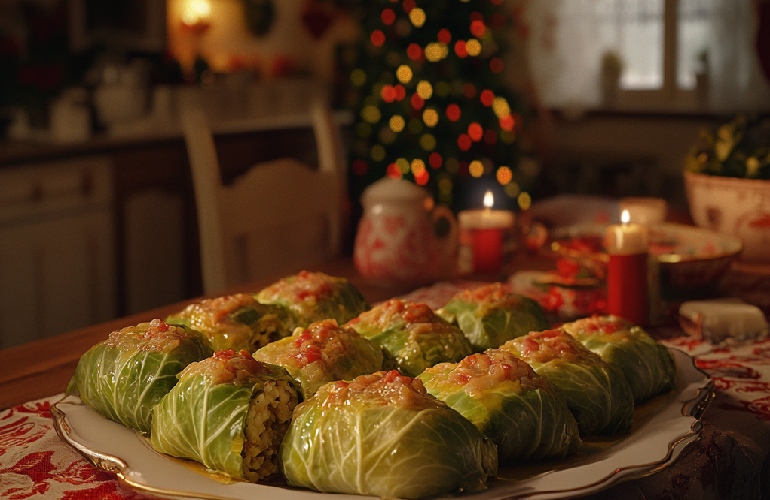
In my family, the week before Christmas was filled with simple rituals passed down quietly from one generation to the next. We would knead dough for the ritual bread, working patiently until it became soft and warm under our hands. We soaked dried fruits for oshav — apples, pears, prunes — watching them soften and swell like tiny promises of sweetness. We rolled sarmi with quiet concentration, each cabbage or vine leaf tucked carefully around its filling, each one a small act of love.
The house would take on a certain smell — a mix of wood, spices, and warm dough — a smell that made the cold outside feel very far away.
If you stepped inside a Bulgarian home on Christmas Eve, you would feel this warmth immediately. Not just from the stove or the oven, but from the way everyone moves, gathers, prepares, and waits. There is a stillness in the air that is hard to explain if you haven’t experienced it — a feeling that this night is different from all others.
In Bulgaria, Christmas is not only a holiday. It is a moment of closeness, of connection, of quiet abundance. A night where the table becomes a symbol of hope, and every dish carries meaning. Bulgarian Christmas food isn’t designed to impress with extravagance. It’s designed to bring people together, to honor tradition, and to welcome light into the darkest days of winter.
This guide will walk you through the dishes, rituals, and cozy flavors that make Bulgarian Christmas so special — and show you where to experience these traditions in Sofia and Plovdiv if you’re visiting Bulgaria during the holidays.

Understanding Bulgarian Christmas Traditions
Christmas in Bulgaria is a gentle blend of Orthodox Christian customs and much older, pre-Christian rituals that mark the return of light after the darkest days of winter. Many of the traditions you see today — the symbolic dishes, the rituals, the way the table is arranged — come from centuries of people trying to create warmth, connection, and hope during the coldest season.
What makes Bulgarian Christmas especially unique is that it unfolds over two distinct days, each with its own atmosphere and meaning.
Christmas Eve (Бъдни вечер — Badni Vecher)
A night of rituals, symbolism, stillness, and simple plant-based dishes
In Bulgaria, Christmas Eve holds a quiet, sacred importance. It is one of the most meaningful nights of the year, and everything about it — the food, the atmosphere, the table arrangement — is thoughtfully intentional.
A completely plant-based table
The entire meal is plant-based (постна храна):
- no meat
- no dairy
- no eggs
This simplicity symbolizes humility, purity, and gratitude. It reflects a time of preparation and reflection before the celebratory abundance of Christmas Day.
The symbolism of 7, 9, or 12 dishes
Families traditionally prepare 7, 9, or 12 dishes, each number carrying its own meaning:
- 7 → the days of the week
- 9 → the months of pregnancy
- 12 → the months of the year and the cycle of seasons
These numbers are not random — they honor the rhythms of nature, life, and time. Each dish, no matter how simple, becomes a symbolic offering for health, prosperity, and harmony in the coming year.
How the table is arranged
The Christmas Eve table is as symbolic as the food itself.
Traditionally, it is:
- covered with a woven tablecloth, often handmade or passed down
- sprinkled with straw, representing the manger where Jesus was born
- set with walnuts, dried fruits, beans, and bread, symbolizing abundance
- left untouched overnight, to welcome ancestors and bless the home
The family breaks the ritual bread by hand — never with a knife — to keep the unity intact. Every detail encourages slowness, awareness, and respect for tradition. Christmas Eve in Bulgaria is not loud or festive. It is calm, thoughtful, and deeply rooted in the belief that meaningful things happen quietly.
Christmas Day (Коледа)
A warm, festive celebration filled with comforting dishes
On December 25th, the atmosphere changes completely. The quiet introspection of Christmas Eve gives way to warmth, laughter, and abundance. The dishes become richer and more celebratory. Families gather earlier, the home fills with smells of roasting meats, and the table becomes a symbol of gratitude for everything the year has brought.
Common Christmas Day dishes include:
- roasted meats (often pork or chicken)
- pork with sauerkraut (a winter classic)
- kavarma (slow-cooked meat and vegetables)
- homemade sausages
- festive pastries and desserts
Where Christmas Eve honors humility and tradition, Christmas Day celebrates joy, family, and togetherness. It’s a day of warmth — a contrast that makes the Bulgarian holiday season feel beautifully balanced.

Christmas Eve Dishes (Symbolic, Plant-Based, Deeply Traditional)
Christmas Eve in Bulgaria is unlike any other night of the year, and the dishes prepared for this meal reflect that quiet significance. These foods are not chosen for their extravagance — they are chosen for their meaning.
Each dish:
- honors nature
- represents hope or prosperity
- carries the memory of ancestors
- connects the family to centuries of tradition
On this night, even the simplest ingredients — beans, cabbage leaves, walnuts, dried fruits — become symbols of nourishment and gratitude. The meal is entirely plant-based, but it never feels limited. Instead, it feels intentional, ritualistic, and deeply comforting.
These are the dishes that have shaped Bulgarian Christmas Eve tables for generations — dishes prepared slowly, with quiet hands and full hearts.
Each one carries a story.
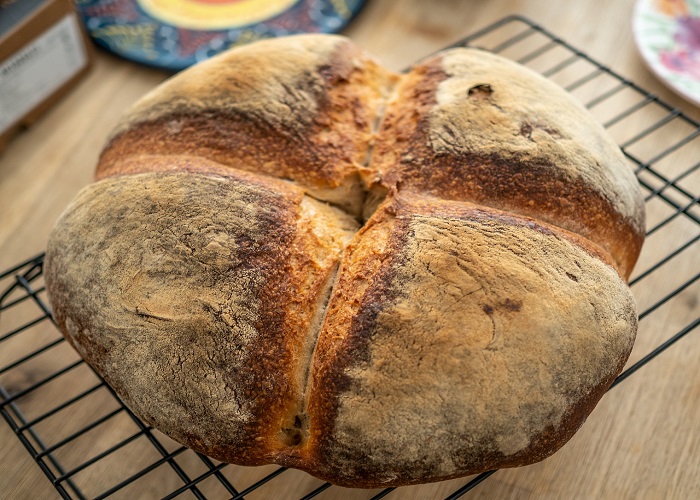
Ritual Bread (Пита / Погача) with a Coin
The centerpiece of the table.
A soft, round bread is kneaded and baked with a hidden coin inside. When the family gathers, the bread is broken by hand — never cut — and everyone takes a piece. Whoever finds the coin will receive luck and prosperity in the coming year.
Mini recipe-style: The dough is simple — flour, water, salt, oil — but the ritual makes it special. Some families add a cross pattern, while others keep it plain.
Sensory note: Warm, soft, slightly sweet, and deeply comforting.
Bean Stew (Боб чорба)
One of the most iconic dishes on Christmas Eve.
Made with white beans, onions, carrots, tomatoes, savory (чубрица), and sometimes a hint of paprika, it is simple but full of warmth.
Symbolism: Beans represent fertility, abundance, and the hope for a fruitful year.
Where to try it:
- Hadjidraganovite Izbi, Sofia — cozy, traditional atmosphere
- Pod Lipite, Sofia — home-style cooking
- Rahat Tepe, Plovdiv — simple and flavorful

Stuffed Peppers with Rice (Пълнени чушки с ориз)
A classic Christmas Eve dish.
Dry red peppers are soaked, then stuffed with rice, onions, herbs, and sometimes walnuts.
Mini recipe-style: Slow-baked until the peppers become tender and the rice absorbs all the flavors.
Symbolism: The dish represents warmth, home, and the richness found in simple ingredients.
Sarmi (Сарми)
Vine or cabbage leaves rolled around a mixture of rice, onions, and spices.
Mini recipe-style: Steamed slowly, allowing the flavors to blend into something soft, comforting, and aromatic.
Symbolism: The wrapping represents protection and the warmth of the family home.
Try in Sofia:
- Moma Bulgarian Food & Wine
- Manastirska Magernitsa
Pumpkin Strudel (Тиквеник)
A sweet spiral pastry filled with grated pumpkin, sugar, walnuts, and cinnamon.
Mini recipe-style: Rolled in thin filo pastry and baked until crisp on the outside, warm and soft inside.
Symbolism: Pumpkin symbolizes health and prosperity.
Sensory note: Warm, fragrant, cozy — the smell fills every Bulgarian kitchen in December.
Oshav (Ошав)
A dried fruit compote made from apples, prunes, pears, and apricots simmered with cinnamon.
Symbolism: The dish honors the connection to the past — dried fruits were an essential winter food.
Taste: Soft, lightly sweet, warming, nostalgic.
Walnuts (Орехи)
Each family member cracks one. If it’s healthy inside → the year will be healthy. If it’s dry or blackened → a warning to take care. A small, intimate ritual.
Kolivo (Кутя)
Boiled wheat mixed with sugar, walnuts, and spices. A dish of remembrance — honoring ancestors during the holiday.

Christmas Day Dishes (Richer, Festive, Comforting)
Pork with Sauerkraut (Свинско с кисело зеле)
One of the most beloved Bulgarian winter dishes.
Slow-roasted until the cabbage becomes tender and the meat melts in your mouth.
Try in Sofia:
- Chevermeto
- Izbata Tavern
Kavarma (Каварма)
Clay-pot stew with meat, onions, peppers, tomatoes, and spices. Warm, aromatic, deeply comforting — perfect for cold winter days.
Homemade Sausages (Наденица)
Often prepared in villages, dried or smoked. Full of traditional spices and hearty flavors.
Desserts
Baklava (Баклава) – Walnuts, filo pastry, syrup — sweet and festive.
Rice Pudding (Мляко с ориз) – Comfort food at its finest.
Garash Cake – A rich chocolate cake with walnut layers — a Bulgarian classic.

Where to Try Bulgarian Christmas Dishes in Sofia
If you’re visiting Sofia in December, you can still experience the warmth of a Bulgarian Christmas table — even if you’re far from home. The restaurants below offer cozy atmospheres, traditional recipes, and local favorites that reflect the festive season.
To help you navigate, I’ve added notes on what each place does best and what to expect.
Pod Lipite — Traditional, Cozy, and Historic
One of Sofia’s oldest and most beloved taverns, Pod Lipite feels like stepping into a warm Bulgarian home from the early 20th century.
- Atmosphere: wooden beams, folk details, soft lighting
- Best for: travelers wanting a deeply authentic experience
- Christmas dishes to try: Sarmi, Stuffed peppers, Bean stew, Homemade desserts
Their cooking is deeply traditional — slow, simple, and full of flavor.
Manastirska Magernitsa — Home-Style Dishes with Heart
This restaurant brings together recipes from different monasteries across Bulgaria, creating a menu filled with traditional, comforting dishes.
- Atmosphere: quiet, rustic, slightly hidden
- Best for: slow, cozy dinners
- Christmas dishes to try: Plant-based Christmas Eve dishes, Sarmi, Stews
It’s especially cozy in winter, with a very “homemade” feel.
Hadjidraganovite Izbi — Festive, Historic, Atmospheric
A classic Bulgarian tavern set inside a restored cellar, perfect for winter meals.
- Atmosphere: stone walls, wooden tables, candlelit warmth
- Best for: festive holiday ambiance
- Christmas dishes to try: Pork with sauerkraut, Kavarma, Holiday breads
The interior alone makes it worth visiting during the Christmas season.
Moma — Beautiful Interior & Excellent Plant-Based Dishes
A modern take on Bulgarian tradition, Moma offers both beautiful presentation and comforting flavors.
- Atmosphere: airy, modern, inspired by Bulgarian embroidery
- Best for: travelers who love cozy but stylish places
- Christmas dishes to try: Sarmi, Stuffed peppers, Plant-based seasonal dishes
It’s a lovely place for a quiet December dinner.
Where to Try Bulgarian Christmas Dishes in Plovdiv
Plovdiv’s food scene is gentle, artistic, and deeply tied to local traditions.
The restaurants below offer both classic flavors and modern interpretations — perfect for a Christmas-season trip.
Rahat Tepe — Views + Simple Bulgarian Classics
Located in the Old Town and known for its panoramic view, Rahat Tepe offers classic Bulgarian dishes without unnecessary embellishment.
- Best for: relaxed lunches, city views
- Christmas dishes to try: Bean stew, Roasted dishes, Seasonal salads
Simple, cozy, local.
Retro Bistro — Affordable, Homemade Feel
A small, friendly place serving comforting Bulgarian dishes at very fair prices — perfect for budget-conscious travelers.
- Best for: everyday Bulgarian meals
- Christmas dishes to try: Stuffed peppers, Sarmi, Soups
Feels like eating in a friend’s home.
Pavaj — Modern but Authentic Flavors
A famous Kapana district gem, Pavaj beautifully balances tradition and creativity.
- Best for: food lovers who enjoy modern twists
- Christmas dishes to try: Seasonal vegetable dishes, Kavarma variations, Warm appetizers
A lovely place to explore deeper Bulgarian flavors.
Bulgarian Christmas Drinks
Christmas in Bulgaria isn’t only about the food — the drinks also play a warm, comforting role during the holidays. From strong homemade spirits shared between family members to simple herbal teas prepared after dinner, each drink carries its own tradition and feeling.
Here are a few beverages you’re likely to encounter around the Bulgarian Christmas table.
Rakija (Ракия)
Traditionally homemade. Strong, warming, deeply tied to Bulgarian culture.
Rakija is more than a drink in Bulgaria — it’s a tradition, a gesture, and sometimes even a conversation starter. During Christmas gatherings, many families bring out homemade rakija, made from grapes, plums, pears, or apricots. The flavor depends entirely on the fruit used and the family recipe.
Why is it special during the holidays
- It warms the body in the cold winter months.
- It’s often shared in small glasses as a symbol of hospitality.
- It creates a sense of togetherness — sipping slowly, talking, laughing.
Sensory note – Expect a strong, fruity aroma and a clean, warm finish. It’s not for rushing — rakija is meant to be sipped quietly.
Red Wine — Mavrud & Melnik
Full-bodied, rich, and perfect with festive dishes.
Bulgaria has a long history of winemaking, and Christmas is one of the best times to explore local varieties.
Two wines you’ll see most often around the holiday table:
🍷 Mavrud
A deep, robust red wine from the Thrace region. Perfect with roasted meats, sauerkraut dishes, and hearty winter meals.
🍷 Melnik
Grown in southwestern Bulgaria, near the Greek border. Smooth, warm, slightly earthy — ideal for cozy holiday evenings.
Why Bulgarians love wine at Christmas
- It pairs beautifully with winter stews and roasted meats.
- It warms the body gently.
- It turns even simple meals into a celebration.
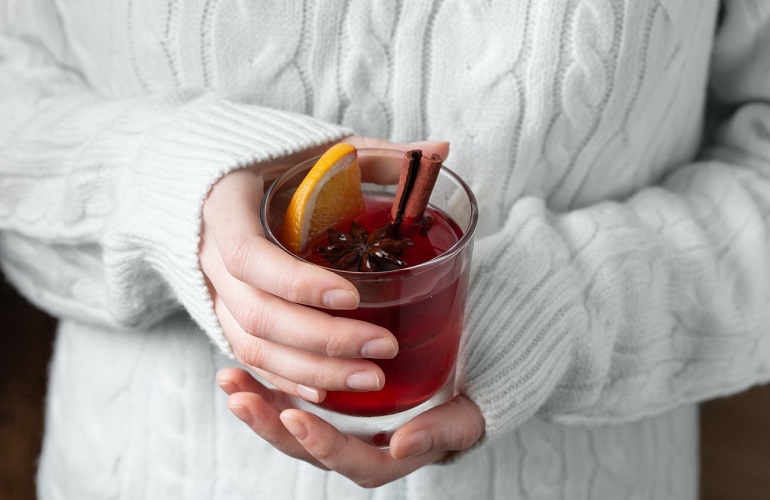
Honey Tea (Чай с мед)
Simple, soothing, and perfect after a rich meal.
Not every Christmas drink needs to be strong. Honey tea — usually herbal, often mint or linden — is a universal comfort in Bulgarian homes.
When it’s enjoyed
- After the rich lunch or dinner on Christmas Day
- With dessert
- During quiet conversations
- Before bed
Why it matters – Honey tea represents simplicity and balance. After a season of celebratory dishes, a warm cup of herbal tea feels grounding and familiar — a small reminder of home.
Bulgarian New Year Food Traditions
While Christmas in Bulgaria is quiet, symbolic, and rooted in simplicity, New Year’s Eve brings a sense of joy, laughter, and celebration. Families gather again around the table — this time with rich dishes, sparkling drinks, and one of Bulgaria’s most beloved holiday rituals.
Below are the foods and customs that shape the Bulgarian New Year’s table.
Banitsa with Fortunes (Късмети)
A joyful ritual filled with handwritten wishes.
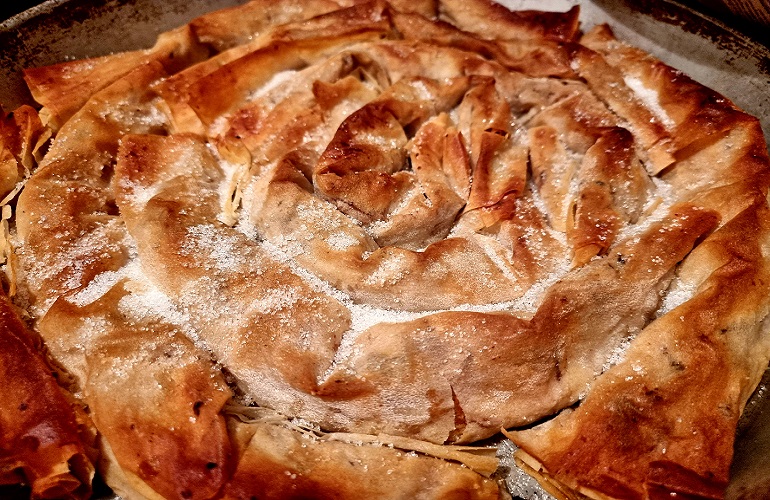
The star of the Bulgarian New Year’s table is the banitsa with fortunes (баница с късмети) — a traditional pastry filled not only with cheese, but with small paper fortunes rolled tightly in aluminum foil.
Each fortune (късмет) carries a message for the year ahead: health, luck, travel, love, new beginnings, and financial prosperity. Families gather around the warm banitsa, and everyone pulls out a piece to find their fortune. It’s a playful moment filled with smiles, laughter, and a sense of anticipation for the year to come.
Sensory note – Banitsa is warm, flaky, buttery (except for plant-based variations), and deeply comforting — a nostalgic taste for many Bulgarians.
Pork Dishes
Symbolizing strength, progress, and moving forward.
Pork is traditionally served at New Year’s because pigs root forward with their snouts — symbolizing progress and advancement. It’s a cultural belief passed down through generations that continues to appear on tables today.
Common dishes include:
- roasted pork
- pork with cabbage
- homemade sausages
- pork stews
These foods bring warmth and richness to the winter table and are a meaningful contrast to the lighter Christmas Eve meal.
Abundance on the Table
A wish for prosperity and fullness in the year ahead.
On New Year’s Eve, Bulgarian tables are intentionally full — not to show luxury, but to welcome abundance and generosity into the coming year.
A typical table may include:
- fruits and nuts
- homemade breads
- salads
- roasted meats
- dips and appetizers
- desserts
- wine and rakija
The belief is simple: If the table is abundant, the year ahead will be, too.
Cozy Tips for Experiencing Bulgarian Christmas Like a Local
Bulgarian Christmas is at its best when you move slowly, explore with curiosity, and pay attention to the little things — the warm smells drifting from a bakery, the quiet glow of a market stall, the meaning behind simple seasonal foods.
Here are a few gentle ways to enjoy the holidays like someone who has grown up with these traditions.
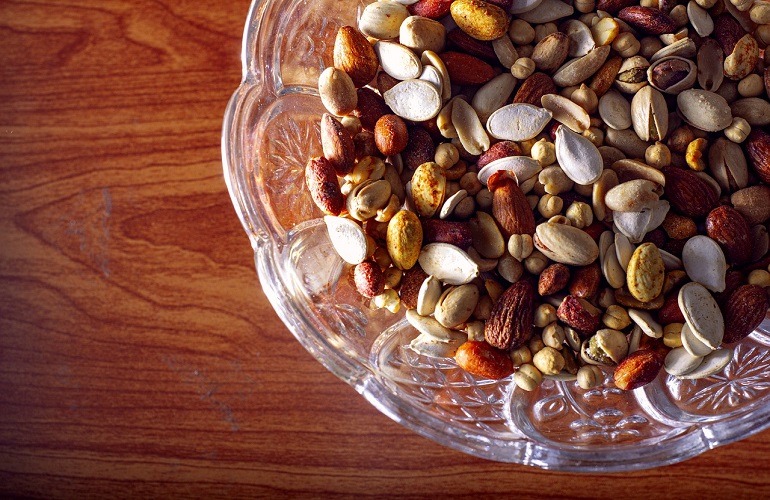
Visit Local Markets for Dried Fruits, Nuts, Honey & Spices
Markets in December feel different — quieter, cozier, full of winter staples.
Look for:
- dried apples, pears, and prunes for oshav
- walnuts for Christmas rituals
- local honey (lavender, acacia, forest)
- cinnamon sticks, bay leaves, dried mint
- handmade candles and small festive decorations
Places like Zhenski Pazar (Sofia) or Kapana stalls (Plovdiv) reveal what Bulgarians actually buy for their Christmas Eve table. It’s one of the easiest ways to feel the rhythm of local holiday life.
Try a Plant-Based Christmas Eve Menu at a Traditional Restaurant
If you’re visiting around Christmas but staying in a hotel or apartment, some traditional restaurants prepare set Christmas Eve menus with symbolic dishes like sarmi, stuffed peppers with rice, bean stew, ritual bread, and oshav. These meals are humble but meaningful, and they offer a gentle introduction to Bulgarian holiday food culture — especially if you’re curious but don’t feel ready to cook it yourself.
Look for Holiday Pastries in Small Neighborhood Bakeries
Throughout December, bakeries often sell:
- tikvenik (pumpkin strudel)
- kozunak (sweet braided bread, more common around Easter but still available)
- simple holiday cookies
- warm banitsa
Skip the large commercial bakeries and step into the tiny neighborhood spots with handwritten signs. These are the places where the pastries taste nostalgic — soft, warm, slightly imperfect, and full of heart.
Enjoy Warm Drinks on an Evening Walk — Especially Mulled Wine
Many Bulgarian cities serve греяно вино (mulled wine) from market stalls or small cafés during December. It’s usually made with red wine, honey, cloves, cinnamon, and citrus. Sip it slowly during an evening walk through the city — it’s one of the simplest ways to feel the winter atmosphere. For something non-alcoholic, warm honey tea (mint or linden) is comforting and widely available.

Buy Local Wine Varieties (Mavrud, Melnik, Rubin)
If you want to bring a piece of Bulgarian Christmas home, local wine is a beautiful choice.
- Mavrud → bold, full-bodied, perfect with roasted meats
- Melnik → warm, smooth, slightly earthy
- Rubin → fruity, rich, ideal for holiday dinners
Wine shops often allow tastings — a lovely slow-travel experience for couples.
Don’t Skip the Sarmi — They’re a National Treasure
Bulgarian sarmi — whether made with cabbage or vine leaves — carry the soul of the holiday season. They appear on both Christmas Eve (plant-based) and Christmas Day (sometimes with meat), and every family has its own recipe. They’re soft, aromatic, comforting, and full of symbolic meaning. If you’re only trying one traditional Christmas dish in Bulgaria, let it be sarmi.
HAPPY HOLIDAYS!
Bulgarian Christmas is gentle, warm, and filled with quiet meaning.
It isn’t a holiday built on extravagance or grand gestures — it’s shaped by small moments: the softness of freshly baked bread, the stillness of Christmas Eve, the comfort of simple dishes prepared with patience and love. These foods, and the rituals around them, exist to bring people together. They remind us that even in the coldest months of the year, warmth can be found in shared tables, familiar flavors, and traditions that have survived for generations.
Whether you celebrate Christmas in Bulgaria, elsewhere in Europe, or far from home, I hope these dishes — and their stories — bring a little Bulgarian coziness to your season. May they inspire you to slow down, taste something meaningful, and feel connected to the place you’re in and the people around you.
🌿 Wherever this winter finds you, may your holidays be warm, simple, and full of gentle abundance. HAPPY HOLIDAYS! 🌿




0 Comments